How to Buy Mexico City Property from Abroad: Legalities, Verification, and Remittances
This guide explains the legal steps, verification processes, and financial rules required for overseas buyers acquiring residential real estate in Mexico City without travelling.
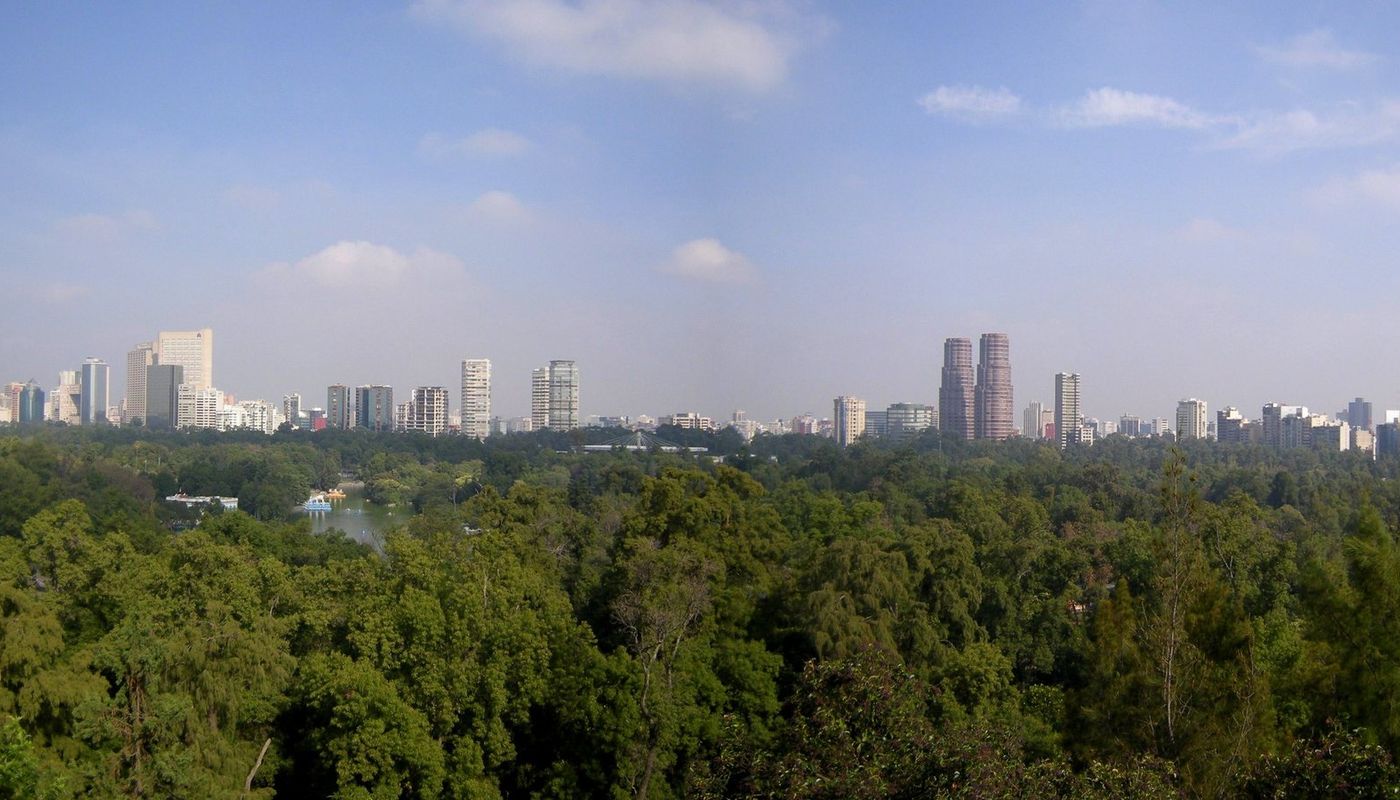
- Direct foreign ownership legal basis
- Article 27 of the Political Constitution of the United Mexican States (1917) allows direct title outside restricted zones.
- Public land registry
- Registro Público de la Propiedad y de Comercio de la Ciudad de México (RPPC)
- SRE permit clearance time
- Secretaría de Relaciones Exteriores (SRE) foreign buyer permit issued in 5 to 15 working days
- Property acquisition tax (ISAI)
- Impuesto Sobre Adquisición de Inmuebles (ISAI) progressive rate up to 6.5% in Mexico City (2026)
- Foreign exchange reporting threshold
- Banco de México / SAT anti-money laundering threshold requires bank reporting on incoming transfers exceeding 10,000 USD (2026)
Legal Framework and Direct Ownership in Mexico City
Unlike Mexico's coastal and border regions, defined under Article 27 of the Political Constitution of the United Mexican States as the "restricted zone", Mexico City sits entirely inland. Foreign nationals purchasing residential property within Mexico City are not required to set up a *fideicomiso* (bank trust). Overseas investors can hold direct fee-simple title (*escritura pública*) in their own name, under the exact same property rights as Mexican citizens.
To acquire direct title, foreign buyers must obtain a permit (*permiso de adquisición*) from the Ministry of Foreign Affairs (*Secretaría de Relaciones Exteriores* or SRE). This permit incorporates the Calvo Clause, an agreement under which the foreign buyer agrees to be treated as a Mexican national regarding the property and promises not to invoke the diplomatic protection of their home government in legal disputes concerning the asset. The SRE permit is applied for on your behalf by a appointed local *notario público* (notary public) and typically takes 5 to 15 working days to process.
Granting Power of Attorney from Overseas
When buying from abroad, you do not need to travel to Mexico to execute the transaction; you can delegate legal authority to an attorney or representative via a Power of Attorney (*Poder Notarial*).
To be recognized in Mexico City, a PoA executed overseas must strictly meet Mexican legal standards:
1. Drafting: A Mexican *notario público* must draft the text of the *Poder Notarial* specifying the exact property details and granting specific powers to buy and sign deed documents (*poder especial para actos de dominio*). 2. Execution: You must sign the document in your home country either before a Mexican consular officer at a Mexican Embassy/Consulate, or before a local public notary. 3. Legalisation: If signed before a non-Mexican notary in a country that is party to the 1961 Hague Convention, the original document must bear an Apostille. If the country is not party to the Hague Convention, the document must undergo consular legalisation through the nearest Mexican embassy. 4. Translation and Protocolisation: Once the apostilled PoA arrives in Mexico City, a official court-certified translator (*perito traductor*) must translate it into Spanish. The document is then formally protocolised (*protocolizado*) by the *notario público* handling your purchase.
Verifying Land and Title Rights Remotely
Independent verification of property existence, physical boundaries, and clear title is critical before transferring any funds. In Mexico City, land and property records are managed by the *Registro Público de la Propiedad y de Comercio de la Ciudad de México* (RPPC).
To independently verify a title from abroad, retain an independent Mexican real estate lawyer (separate from the seller's agent) to obtain and review the following official documents from the RPPC:
- Certificado de Libertad de Gravamen (Certificate of No Encumbrances): Issued directly by the RPPC, this document confirms the current owner of record and proves that the property is free from unrecorded mortgages, judicial liens, or tax attachments.
- Folio Real: The unique electronic ledger at the RPPC recording the complete historical chain of title, previous transfers, and legal modifications.
- Constancia de Alineamiento y Número Oficial: A municipal document from the local borough (*alcaldía*) confirming the exact street address, physical boundaries, and municipal alignment.
- Boletas de Predial y Agua: Receipts confirming that municipal property taxes (*predial*) and water service payments are fully paid up to date.
Never rely on informal title copies provided by a seller or relative; insist on a fresh *Certificado de Libertad de Gravamen* pulled directly from the RPPC registry index.
Remitting Purchase Funds and Financial Rules
When sending purchase funds to Mexico, transfers must comply with Mexican anti-money laundering regulations (*Ley Federal para la Prevención e Identificación de Operaciones con Recursos de Procedencia Ilícita*, known as the *Ley Anti-Lavado*).
Under Mexican law, incoming foreign wire transfers exceeding 10,000 USD (or equivalent in foreign currency) are automatically flagged and reported by Mexican financial institutions to the *Servicio de Administración Tributaria* (SAT) and the *Unidad de Inteligencia Financiera* (UIF).
- Currency: While property prices in Mexico City are occasionally quoted in US Dollars, final deed settlements and tax assessments are converted and recorded in Mexican Pesos (MXN). Currency conversion is calculated using the official exchange rate published in the *Diario Oficial de la Federación* (DOF) by *Banco de México* on the date of closing.
- Proof of Source of Funds: Your receiving bank or notary in Mexico will require proof of fund origins, including foreign bank account statements, tax returns, and government-issued identification.
Escrow and Account Protocols: Where Money Should Go
In Mexico, purchase monies should never be transferred directly to an individual seller, real estate broker, or relative before closing day. Institutional escrow services are not automatically built into standard Mexican property purchases, so overseas buyers must establish safe payment channels:
1. International Escrow Companies: Foreign buyers commonly use registered cross-border escrow accounts provided by established firms (such as Stewart Title Guaranty or First American Title). Funds remain in neutral escrow and are only released to the seller once the *notario público* verifies clear title and registers the deed. 2. Notary Account / Vendor Account on Closing: In cases where escrow is not used, funds should be wired directly to an institutional bank account managed by a recognized, licensed *Notario Público* or directly to the seller's verified bank account at the moment of deed signing (*firma de escrituras*).
Never make payments to:
- Personal bank accounts of real estate agents or brokers.
- Personal bank accounts of family members or friends acting on your behalf.
- Unverified seller accounts prior to the completion of RPPC searches and formal contract signing.
Risks of Buying Through Relatives or Agents Acting on Your Behalf
Using family members or local agents to manage a purchase from a distance introduces severe legal and financial risks:
- Title Registration Mismanagement: A relative acting without strict legal instructions may mistakenly allow the property deed (*escritura*) to be registered in their own name or as a co-owner, making them the legal owner under Mexican civil law.
- Overstepping Power of Attorney: If a *Poder Notarial* is drafted too broadly (e.g., granting general broad powers rather than a specific limited power for one property), the agent or relative can legally bind you to unauthorized loans or secondary sales.
- Tax and AML Liabilities: Sending purchase funds directly to a relative's personal bank account in Mexico triggers immediate tax scrutiny from SAT. SAT may classify the incoming transfer as taxable income for the relative, exposing them to personal income tax penalties up to 35%.
- Undisclosed Conflicts of Interest: Relatives or unvetted brokers may accept side commissions from developers or sellers without conducting essential structural or title due diligence.
Buyers must ensure all instructions to representatives are legally bound by a limited-scope PoA drafted by a licensed *notario público* and verified by independent legal counsel.
Common questions
- Do I need a bank trust (fideicomiso) to buy property in Mexico City?
- No. Mexico City is located outside the coastal and border restricted zones, meaning foreign buyers can hold direct fee-simple title in their own name without creating a fideicomiso.
- Can I complete a property purchase in Mexico City without flying to Mexico?
- Yes. You can complete the transaction remotely by granting a specific Power of Attorney (Poder Notarial) to a representative, legalised via Apostille or consular legalisation.
- What document proves a Mexico City property is free from liens?
- The Certificado de Libertad de Gravamen, issued directly by the Registro Público de la Propiedad y de Comercio de la Ciudad de México (RPPC), confirms clean title.
- What happens if I wire property purchase funds directly to a relative in Mexico?
- The Mexican tax authority (SAT) may flag the transfer as taxable income for your relative, exposing them to personal income tax liabilities up to 35%.
- What permit is required from the Mexican government for foreign buyers in Mexico City?
- Foreigners must obtain a foreign buyer permit (Permiso de Adquisición) from the Secretaría de Relaciones Exteriores (SRE), which includes the Calvo Clause agreement.
- Which local official handles the closing and title registration in Mexico City?
- The transaction must be formalized before a Notario Público, who calculates property acquisition taxes, verifies title, and registers the final deed with the RPPC.
- thelatinvestor.com. thelatinvestor.com
- renanza.com. renanza.com
- easylegalmexico.com. easylegalmexico.com
- globalpropertyguide.com. globalpropertyguide.com
- thelatinvestor.com. thelatinvestor.com
- consulmex.sre.gob.mx. consulmex.sre.gob.mx
- petersromero.com. petersromero.com
Compiled by the Propstock research desk from the sources above.