IREIT Global Signs 39,419 Square Metre Berlin Office Lease With BVG
The 25-year agreement for the Berlin RE(O) Campus lifts asset occupancy from 25% to 75% and portfolio WALE to 10.2 years.
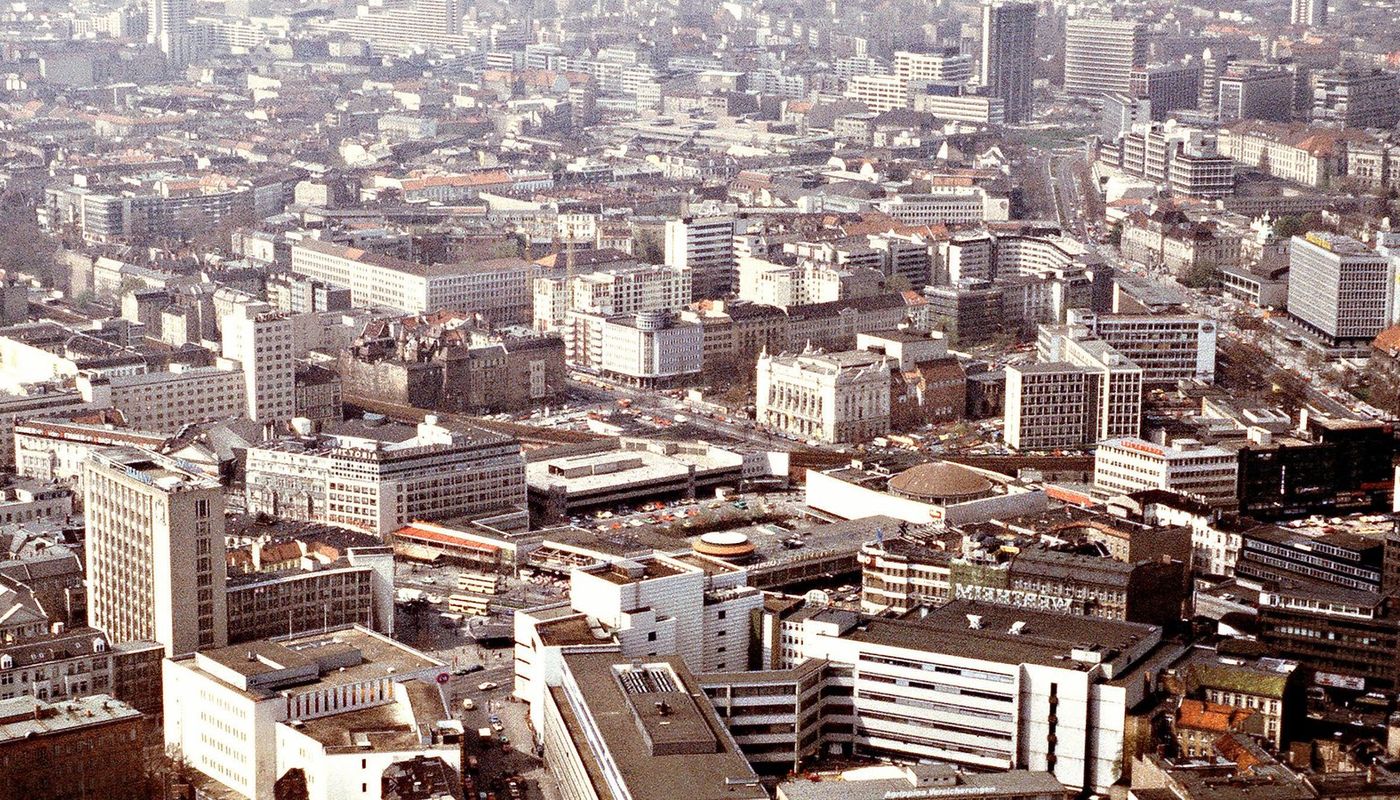
Singapore-listed IREIT Global has executed a 25-year lease agreement with Berlin public transport operator Berliner Verkehrsbetriebe for 39,419 square metres of office space at the Berlin RE(O) Campus, according to filings released by the trust. The deal stands as the largest office lease signed in Germany in 2026 to date, securing the municipality-owned transit authority as the anchor tenant for its new corporate headquarters. The letting lifts occupancy at the asset from approximately 25% to 75%, extending the weighted average lease expiry across the REIT's entire portfolio to 10.2 years.
Operational project development management for the campus is being led by asset manager Kintyre, working alongside IREIT Global and its primary corporate sponsors, European alternative investment manager Tikehau Capital and Singapore developer City Developments Limited. The agreement comes after the property was left largely vacant following the exit of its former sole occupier, public pension administrator Deutsche Rentenversicherung Bund.
Transaction Scale and Market Context
At 39,419 square metres, the agreement represents the largest single office letting recorded in the Berlin commercial real estate market since 2020, according to data reported by The Edge Singapore. It also ranks as the single largest office lease transaction completed across all German metropolitan markets in 2026 to date. The absorption of nearly 40,000 square metres in a single contract represents a significant concentration of public sector tenant demand into a single suburban campus asset.
The volume of space committed under the agreement shifts the occupancy baseline of the Berlin RE(O) Campus. Prior to the signing, the multi-building office asset operated at approximately 25% occupancy following tenant departures, according to company announcements. The inclusion of Berliner Verkehrsbetriebe raises asset-level occupancy to 75%, removing roughly 30,000 square metres of vacant stock from the immediate direct supply total of the Berlin office sector.
On a portfolio level, the execution of a 25-year commitment alters the maturity profile of IREIT Global. The trust reported that the deal extends its overall portfolio weighted average lease expiry, known as WALE, to 10.2 years. This extension provides long-term income visibility for the vehicle, which holds commercial assets across Europe, by anchoring a quarter of the Berlin asset's floor space and three-quarters of its total usable footprint to a municipal covenant.
Lease Terms and Financial Mechanics
The contractual structure of the 25-year agreement incorporates specific rent adjustment mechanisms and concession periods across its term, according to reports by The Edge Singapore. The contract includes a fixed annual rent escalation clause set at 2.25%. This contractual indexation guarantees an upward adjustment of base rent by 2.25% every 12 months, independent of broader German consumer price indexation metrics or prevailing market rent growth across Berlin.
To secure the quarter-century commitment, IREIT Global conceded significant rent-free periods tied directly to tenant handover dates. The agreement outlines a 12-month rent-free incentive at the start of each of the four distinct move-in phases. Because tenant occupation is staggered across multiple years, these rent-free periods will be applied sequentially as each block of space is prepared and handed over to Berliner Verkehrsbetriebe.
The inclusion of a total of 48 months of aggregate rent-free concessions across four phases means that rental revenue from each tranche will not hit the REIT's distributable income stream during the first year following physical handover. The fixed 2.25% annual rent escalation clause will apply over the remaining 24 years of each phased lease period once the initial 12-month rent-free period for that phase expires.
Asset Repositioning and Sponsor Framework
The long-term letting to Berliner Verkehrsbetriebe represents the culmination of a major repositioning and capital expenditure programme initiated by IREIT Global. The asset was previously leased to public pension entity Deutsche Rentenversicherung Bund, which extended its lease until 31 December 2024 before vacating the site, according to company statements. The departure of the pension fund left the campus largely unoccupied, dropping asset level occupancy to approximately 25% and forcing the owner to restructure the property from a single-tenant facility into a modern multi-tenant commercial campus.
Following the exit of Deutsche Rentenversicherung Bund on 31 December 2024, IREIT Global engaged real estate firm Kintyre to oversee operational project development management for the site. Kintyre has been tasked with managing physical conversion works, modernising common areas, and aligning floorplate configurations with the operational requirements of municipal transport operators and secondary commercial occupiers.
Institutional backing for the capital expenditure required during this transition is provided by IREIT Global's major sponsors. Tikehau Capital, the Paris-headquartered asset manager, and City Developments Limited, the Singapore-listed property developer, maintain direct equity stakes in the REIT. Their involvement provides financial underwriting as the vehicle transitions the asset from an outdated single-tenant government lease into a long-term public sector headquarters.
Financial Commitments and Earnings Timing
While the 25-year lease secures a municipal tenant for 39,419 square metres, analysis of the contract terms shows that the agreement does not generate immediate cash flow for IREIT Global or its unitholders. According to reporting by The Edge Singapore and financial commentary from TipRanks, tenant move-ins will occur across four separate phases scheduled between 1 October 2028 and 30 September 2030. Consequently, initial rental collection under the new agreement will not commence until late 2029 at the earliest, following the expiration of the first 12-month rent-free period.
Furthermore, the owner remains responsible for substantial capital outlays to prepare the campus for occupation. IREIT Global is bearing the fit-out costs and conversion expenditures required to meet the operational specifications of Berliner Verkehrsbetriebe. These conversion expenditures are still being assessed by project manager Kintyre and the REIT's board, leaving the total capital burden of the repositioning program unquantified in public disclosures.
This delay between lease execution and cash flow realization means that the asset will continue to generate limited operational income while incurring ongoing fit-out expenditures over the next two to four years. The overall financial profile of the trust will reflect capital expenditures during the redevelopment phase, with net property income from the asset stepping up incrementally as each of the four occupancy phases completes and initial rent-free periods elapse.
Operational Counterweights to the Bull Case
The strategic value of securing a 25-year lease with a municipal counterparty depends on the execution of physical works within budget and on schedule. The primary operational risk facing IREIT Global and project manager Kintyre centers on the cost of building conversions. Because total fit-out expenditures and structural renovation costs are still being assessed, cost overruns in materials, labor, or specialized municipal transit infrastructure could erode the net yield generated by the fixed 2.25% annual rent escalation rate.
Additionally, the extended timeline introduces significant holding costs during the transition window. Between the departure of Deutsche Rentenversicherung Bund on 31 December 2024 and the final handover scheduled for 30 September 2030, the asset operates below full revenue capacity for nearly six years. During the initial phased handovers between 1 October 2028 and 30 September 2030, the 12-month rent-free period applied to each phase will suppress cash flow, requiring the sponsor network of Tikehau Capital and City Developments Limited to support balance sheet stability without immediate rental yield from the campus's anchor space.
Key Dates and Development Milestones
The realization of the lease agreement depends on a series of fixed operational dates over a four-year implementation schedule. Unitholders and market observers must monitor the following key milestones:
On 1 October 2028, the first of four physical tenant handovers is scheduled to take place at the Berlin RE(O) Campus, initiating the first 12-month rent-free period for Berliner Verkehrsbetriebe.
Between 1 October 2028 and 30 September 2030, three subsequent phased handovers will occur, with each tranche of space entering its respective 12-month rent-free window upon delivery.
By 1 October 2029, initial cash rental payments are expected to commence for the first phase of space as its 12-month rent-free period expires, initiating the application of the fixed 2.25% annual rent escalation clause.
On 30 September 2030, the fourth and final handover phase is scheduled for completion, bringing total tenant occupation by Berliner Verkehrsbetriebe to 39,419 square metres and completing the operational transition managed by Kintyre.
- IREIT Global. IREIT Global secures landmark 25-year lease with BVG for approximately 40000 sqm at Berlin RE(O) Campus
- REITsWeek. IREIT Global secures record Berlin lease at troubled asset
- The Edge Singapore. IREIT Global secures 25-year lease for its Berlin property
- IREIT Global. Berlin Campus Property Details
- DEAL Magazine. IREIT und Kintyre vermieten 40.000 m² im Berliner RE(O Campus
- TipRanks. IREIT Global Secures Long-Term BVG Lease at Berlin Campus
Compiled by the Propstock research desk from the sources above.