Property Development Approval Process and Permits in Mumbai
A step-by-step regulatory guide outlining the statutory approvals, issuing authorities, timelines, and legal certificates required to execute a property development project in Mumbai.
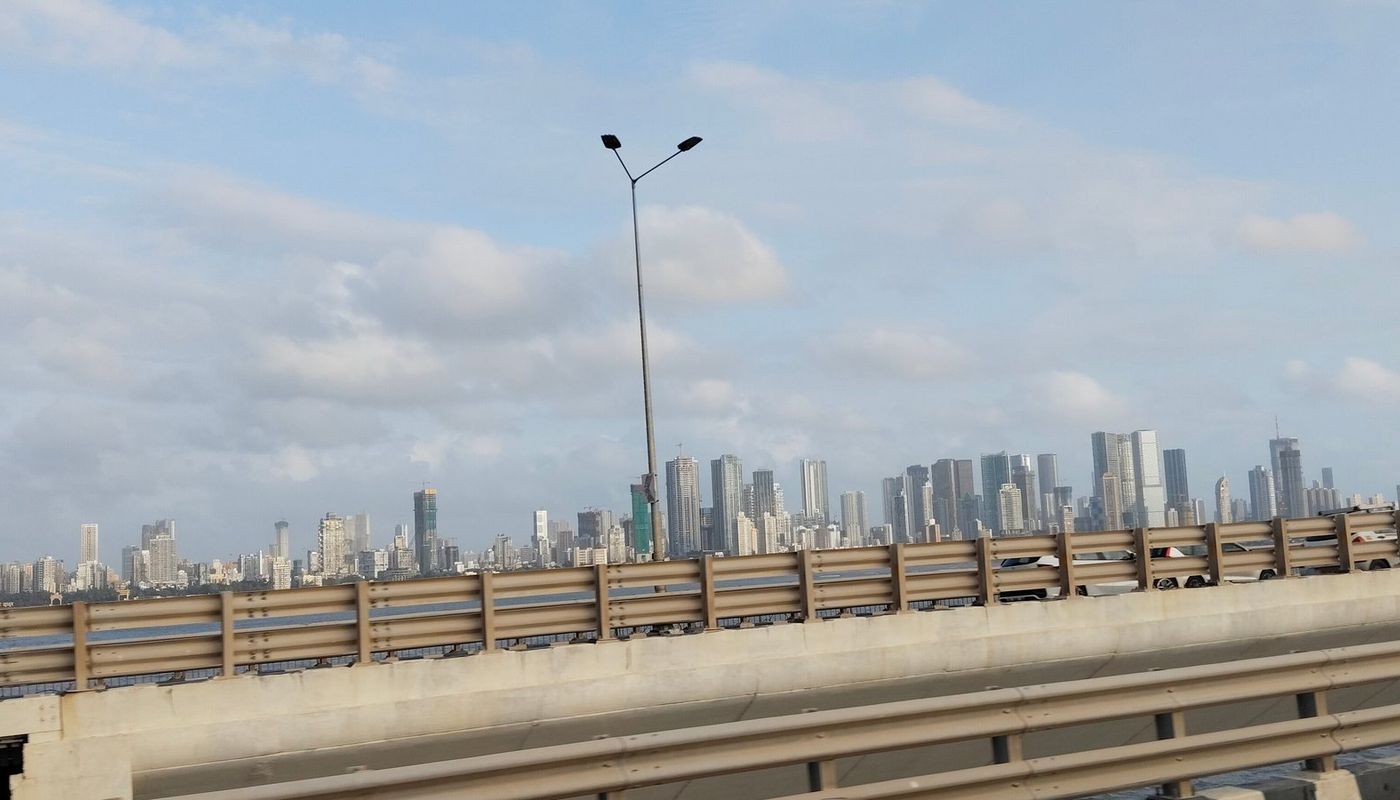
- Primary municipal authority
- Brihanmumbai Municipal Corporation (BMC / MCGM)
- State real estate regulator
- Maharashtra Real Estate Regulatory Authority (MahaRERA)
- Mumbai stamp duty rate (2026)
- 6% (5% basic stamp duty plus 1% Metro Cess)
- RERA registration threshold
- Projects exceeding 500 square metres of land or 8 apartments
- Pre-construction approval timeline
- 6 to 12 months for full sanction and clearance
- Final occupancy clearance document
- Occupancy Certificate (OC) issued by BMC
Overview of Property Development Approvals in Mumbai
Developing real estate in Mumbai requires compliance with state statutory acts, municipal regulations, and environmental rules. The regulatory framework is governed primarily by the Maharashtra Regional and Town Planning (MRTP) Act 1966, the Development Control and Promotion Regulations 2034 (DCPR 2034), and the Real Estate (Regulation and Development) Act 2016 (RERA).
Approval for building projects in the city is administered by the Brihanmumbai Municipal Corporation (BMC), also known as the Municipal Corporation of Greater Mumbai (MCGM). For specialized jurisdictions such as port land, railway corridors, or special planning zones, authority rests with bodies like the Mumbai Metropolitan Region Development Authority (MMRDA) or the Mumbai Port Authority.
Executing a project involves three distinct phases: pre-construction clearance, construction-stage sanctions, and post-construction operational certification.
Phase 1: Title Search, Land Use, and Zoning Approvals
Before architectural plans are submitted, a developer must establish clear title and verify land-use zoning.
Title Verification and Registration
Land ownership records are verified using the 7/12 extract (Satbara Utara) or the Property Card (Snamat Patrak) maintained by the City Survey Office under the Maharashtra Land Revenue Department. Title deeds must be executed and registered at the local Sub-Registrar of Assurances under the Registration Act 1908. In 2026, real estate acquisitions in Mumbai incur a stamp duty rate of 6% (comprising 5% standard stamp duty plus a 1% Metro Cess) alongside a registration fee capped at INR 30,000 for high-value conveyances.
Zoning and Land-Use Conversion
Land classification in Mumbai is defined by the Development Plan 2034 (DP 2034). If land is designated as agricultural or non-buildable, a Non-Agricultural (NA) Permission or Change of Land Use (CLU) order must be obtained under Section 44 of the Maharashtra Land Revenue Code 1966. The Collector of Mumbai or Mumbai Suburban District issues this order following technical verification by the Urban Development Department. The conversion process takes approximately 3 to 6 months.
Phase 2: Statutory Clearances and Building Sanctions
Once land title and zoning are established, the project enters the formal plan approval sequence managed via the BMC's AutoDCR online system.
1. Intimation of Disapproval (IOD)
Despite its negative name, the Intimation of Disapproval (IOD) is a conditional building permit issued by the Executive Engineer (Building Proposal) of the BMC. The IOD outlines approximately 30 to 40 mandatory conditions that the developer must fulfil before physical work begins. Key conditions include obtaining No Objection Certificates (NOCs) from various technical departments.
- Issuing Authority: BMC Building Proposal Department
- Processing Timeline: 60 to 90 days
2. Departmental No Objection Certificates (NOCs)
To convert an IOD into an active construction permit, developers must secure individual NOCs from various statutory authorities:
- Fire Safety NOC: Issued by the Chief Fire Officer (CFO) of the Mumbai Fire Brigade, establishing compliance with fire suppression and refuge area norms.
- Environmental Clearance (EC): Mandatory for developments exceeding 20,000 square metres of built-up area under the Environmental Impact Assessment Notification 2006. Issued by the State Expert Appraisal Committee (SEAC) and State Environment Impact Assessment Authority (SEIAA) Maharashtra.
- Aviation Height Clearance: Issued by the Airport Authority of India (AAI) based on site elevation relative to Chhatrapati Shivaji Maharaj International Airport flight paths.
- Coastal Regulation Zone (CRZ) Clearance: Issued by the Maharashtra Coastal Zone Management Authority (MCZMA) for land located within 500 metres of the high tide line.
- Utilities NOCs: Issued by the BMC Water Department, BMC Sewerage Department, and power supply companies (e.g., Tata Power, Adani Electricity, or BEST).
- Timeline for NOCs: 3 to 6 months concurrently.
3. Commencement Certificate (CC)
After satisfying all conditions set out in the IOD and submitting the required NOCs, the BMC issues the Commencement Certificate (CC). The CC is granted in two stages: Plinth Level CC (permitting excavation and construction up to the plinth) and Further CC (permitting vertical construction above the plinth following on-site municipal inspection).
- Issuing Authority: BMC Building Proposal Department
- Processing Timeline: 30 to 45 days after NOC submission
4. MahaRERA Registration
Under Section 3 of the Real Estate (Regulation and Development) Act 2016, no developer may market, advertise, or accept buyer bookings without registering the project with the Maharashtra Real Estate Regulatory Authority (MahaRERA). Registration requires uploading the sanctioned building plans, title report, encumbrance details, estimated timeline, and dedicated escrow bank account details.
- Mandatory Threshold: Projects exceeding 500 square metres of land area or involving more than 8 apartments.
- Issuing Authority: MahaRERA
- Processing Timeline: 15 to 30 days
Phase 3: Construction Inspections and Completion
During physical construction, the site is subjected to periodic inspections by BMC engineers and certified structural engineers to ensure adherence to the sanctioned drawings.
Completion Certificate (CC) and Occupancy Certificate (OC)
Upon physical completion of the building, the developer's registered architect submits the completion plans alongside work completion forms to the municipal authority.
1. Building Completion Certificate (BCC): Certified by the Architect and Structural Engineer, declaring that the structure strictly conforms to the sanctioned plan and safety norms. 2. Final Site Inspection: Municipal surveyors from the BMC conduct an on-site physical audit to verify setbacks, floor space index (FSI) utilization, parking allocation, and utility connections. 3. Occupancy Certificate (OC): Issued by the BMC Executive Engineer once all inspections pass and final NOCs (including the Final Fire NOC) are verified. The OC certifies that the structure is legally fit for human occupation.
- Issuing Authority: BMC Building Proposal Department
- Processing Timeline: 60 to 90 days after project completion
Occupying or transferring possession of a building without a valid Occupancy Certificate is illegal under the Mumbai Municipal Corporation Act 1888 and Maharashtra Ownership Flats Act 1963. Utility connections without an OC are billed at commercial penalty rates.
Timeline Summary
From site acquisition to handover, the total regulatory approval timeline in Mumbai ranges between 12 and 18 months prior to physical excavation, with final completion certification taking an additional 2 to 3 months following physical construction.
This guide serves as an overview of statutory processes governed by Indian state legislation as of 2026. Developers and institutional investors must verify site-specific regulatory mandates with licensed architects and legal practitioners.
Common questions
- What is the difference between an IOD and a Commencement Certificate in Mumbai?
- An Intimation of Disapproval (IOD) is a conditional sanction stating the terms a developer must fulfill, whereas a Commencement Certificate (CC) is the official permit that allows physical construction to start on site [1.1.8].
- Which authority regulates project sales and buyer advance payments in Maharashtra?
- The Maharashtra Real Estate Regulatory Authority (MahaRERA) regulates project marketing, sales, and escrow accounts under the RERA Act 2016.
- Is an Environmental Clearance required for every property development in Mumbai?
- No, Environmental Clearance from the SEAC/SEIAA Maharashtra is mandatory specifically for projects with a built-up area exceeding 20,000 square metres.
- What happens if a developer hands over flats without an Occupancy Certificate?
- Handing over flats without an Occupancy Certificate (OC) is illegal in Mumbai, leaving buyers vulnerable to municipal stop-work orders, disconnection of services, or higher penal water and electricity tariffs.
- What is the standard stamp duty rate for land purchase in Mumbai in 2026?
- The stamp duty rate in Mumbai in 2026 is 6% of the agreement value or market value (comprising 5% base stamp duty and 1% Metro Cess).
- How is land-use zoning governed in Mumbai?
- Zoning in Mumbai is governed by the Development Control and Promotion Regulations 2034 (DCPR 2034) under the Development Plan 2034 managed by the BMC and Urban Development Department.
- kanakdharadeveloper.com. kanakdharadeveloper.com
- aiel.com. aiel.com
- en.wikipedia.org. en.wikipedia.org
- scribd.com. scribd.com
- jkcement.com. jkcement.com
- facilitiesshowindia.com. facilitiesshowindia.com
- mypatta.in. mypatta.in
- prsindia.org. prsindia.org
Compiled by the Propstock research desk from the sources above.