Redevelopment Standards, Demolition Rules and Planning Permits in Lagos
This guide outlines the statutory processes, regulatory authorities, zoning calculations and legal requirements for acquiring site approvals, demolishing existing structures and redeveloping land in Lagos State.
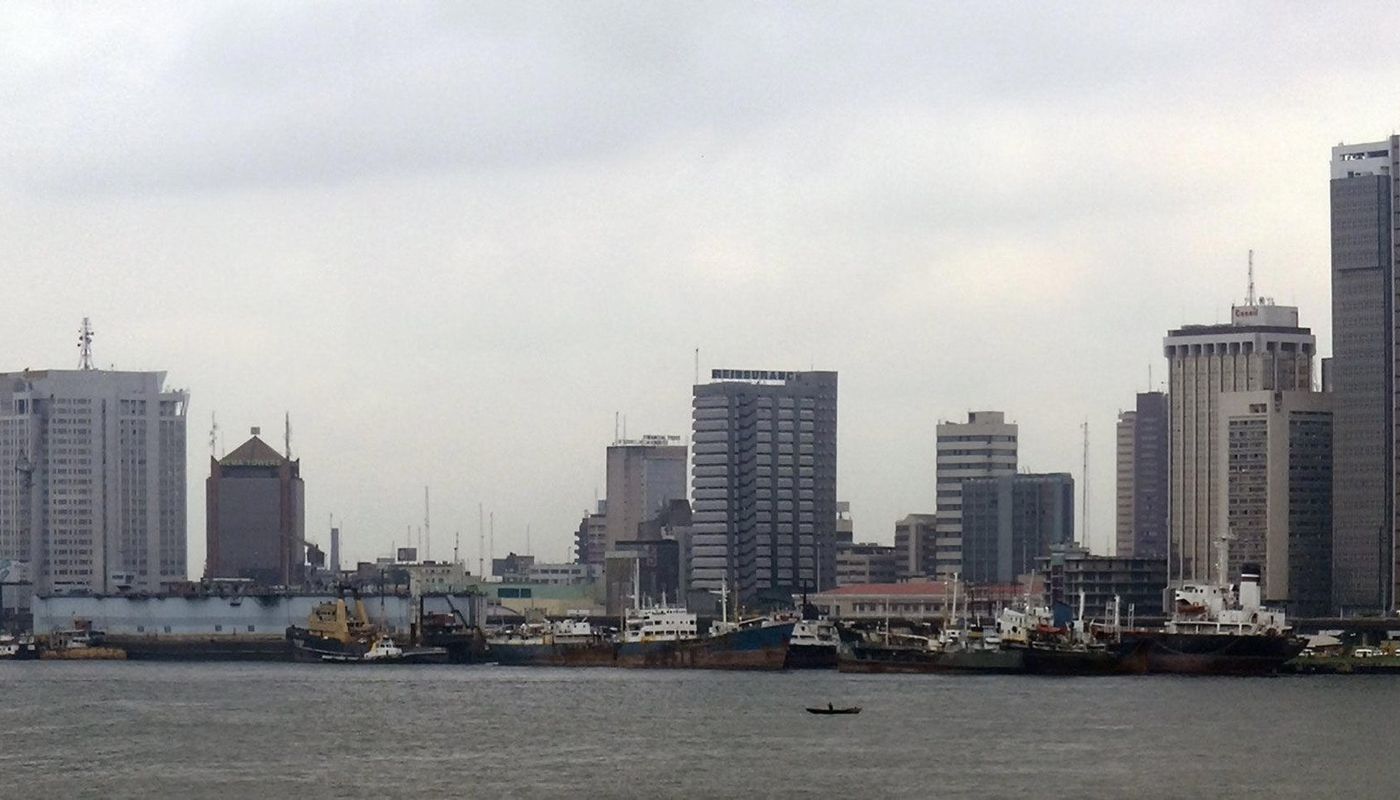
- Demolition Authority
- Demolition requires a permit from the Lagos State Physical Planning Permit Authority (LASPPPA) and written authorization from the Lagos State Building Control Agency (LASBCA) under the Lagos State Urban and Regional Planning and Development Law 2019.
- Residential Setbacks
- Under the Lagos State Physical Planning Permit Regulations 2019, standard residential plots require a 6-metre front setback (9 metres in Ikoyi, Victoria Island, and Lekki Phase I) and 3-metre side and rear airspaces.
- Plot Coverage Ceiling
- The Lagos State Physical Planning Permit Regulations 2019 cap plot coverage at 50% for standard residential developments and up to 60% in high-density areas, reserving open space for soft landscaping and drainage.
- Tenant Eviction Notice
- Section 13 of the Tenancy Law of Lagos State 2011 mandates a 6-month statutory Notice to Quit for yearly tenants, followed by a 7-day Notice of Owner's Intention to Apply to Recover Possession, with no statutory duty to rehouse tenants.
- Permit Timeline
- In 2026, obtaining a building permit via the Lagos State Electronic Physical Planning Process System (ePPPS) takes between 30 and 90 days from full document submission.
Statutory Framework for Redevelopment
Redeveloping a site in Lagos State involves two main statutory bodies operating under the Lagos State Ministry of Physical Planning and Urban Development: the Lagos State Physical Planning Permit Authority (LASPPPA) and the Lagos State Building Control Agency (LASBCA). Physical development, including demolition and reconstruction, is governed primarily by the Lagos State Urban and Regional Planning and Development Law 2010 (amended in 2019).
LASPPPA is responsible for evaluating site designs, zoning compliance, density, and issuing Planning Permits. LASBCA oversees construction site enforcement, stage inspections, structural integrity verification, and issuing the Certificate of Completion and Fitness for Habitation. Developers must obtain formal approvals from both agencies before executing physical works on site.
Demolition Permits and Trigger Conditions
Under Lagos State regulations, pulling down any existing physical structure, whether a single-storey bungalow, commercial building, or distressed property, requires a formal Demolition Permit from LASPPPA and a subsequent Letter of Authorization to Commence Demolition from LASBCA. Self-help demolition without these permits is illegal.
A Demolition Permit application is triggered whenever a developer intends to clear a site, alter a load-bearing structure, or remove a building deemed structurally compromised. Applications are lodged through the Electronic Physical Planning Process System (EPPPS) portal or at the local LASPPPA District Office serving the relevant Local Government Area.
To apply for a Demolition Permit, the site owner must submit the following documents:
1. Certified True Copy (CTC) of the land title document (such as a Certificate of Occupancy, Governor's Consent, or Registered Conveyance) and an approved Survey Plan. 2. Dated high-resolution photographs of the existing structure. 3. A detailed Demolition Plan prepared by a COREN-registered structural engineer, outlining safety measures, dust suppression, waste haulage, and site containment. 4. A sworn Affidavit of Indemnity indemnifying the Lagos State Government, LASPPPA, and LASBCA against third-party liabilities or damages during demolition. 5. Evidence of tax clearance from the Lagos Internal Revenue Service (LIRS) for the preceding three years. 6. Receipt of payment for statutory demolition processing fees.
Demolishing structures without prior approvals leads to immediate site sealing by LASBCA, penal fines, and potential forfeiture of the land under Section 74 of the Lagos State Urban and Regional Planning and Development Law 2019.
Heritage and Conservation Restrictions
Certain properties across Lagos State are protected from demolition by federal and state heritage legislation. Developers acquiring sites in historic quarters, such as Lagos Island (including Isale Eko, Marina, and Broad Street), Ebute Metta, Yaba, Epetedo, and Badagry, must verify that the property is not designated as a protected monument.
Federal protection is governed by the National Commission for Museums and Monuments (NCMM) Act Cap N19 LFN 2004. The NCMM maintains a register of declared National Monuments. Demolishing or altering a federally declared monument without written consent from the NCMM constitutes an offence punishable by statutory fines and compulsory site restoration.
At the state level, the Lagos State Listed Sites (Preservation) Law empowers the Lagos State Ministry of Tourism, Arts and Culture to identify, list, and preserve structures of architectural, historic, or cultural significance. If a site is listed on the Lagos State Heritage Register, demolition is prohibited. Developers seeking to alter or redevelop listed sites must submit an Environmental and Cultural Impact Report to the Ministry of Tourism, Arts and Culture. Unauthorised demolition of a state-listed site attracts severe penalties, including corporate fines up to NGN 10,000,000, mandatory reconstruction to original specifications, and criminal prosecution.
Calculating Buildable Area, Setbacks and Coverage
Buildable area and density limits in Lagos State are calculated according to the Lagos State Physical Planning Permit Regulations 2019 and specific local Approval Orders.
Plot Coverage
Plot coverage defines the footprint of the building relative to the total land area. For standard residential developments, maximum plot coverage is capped at 50%. In designated high-density commercial or mixed-use zones, plot coverage may extend up to 60%. The remaining 40% to 50% of the site must remain open space reserved for driveways, parking, soft landscaping (minimum 900mm green area), and surface drainage.
Setbacks and Airspaces
Setback requirements measure the minimum distance between the outermost building wall and the property boundary:
- Front Setback: Standard residential plots require a minimum front setback of 6 metres from the property boundary abutting the access road. In specific high-end layout schemes, such as Ikoyi, Victoria Island, Lekki Peninsula Phase I and II, and Ikeja GRA, the required front setback is 9 metres.
- Side Airspaces: A minimum airspace of 3 metres is required on both the left and right sides of the building.
- Rear Airspace: A minimum rear airspace of 3 metres is mandatory.
- Waterway and High-Tension Setbacks: Sites abutting canals, lagoon shorelines, drainage channels, or high-tension powerlines are subject to additional setbacks ranging from 10 metres to 50 metres under LASPPPA guidelines.
LASPPPA calculates the maximum gross floor area (GFA) and allowable storey height based on the plot size, setback compliance, floor area ratio (FAR), and road width serving the property.
Tenant Rights and Eviction Procedures
When acquiring an occupied site for redevelopment, developers must comply with statutory eviction procedures. Property rights in Lagos are governed by the Tenancy Law of Lagos State 2011 and the Recovery of Premises Law.
Under Lagos law, property owners have no statutory obligation to compensate or rehouse tenants when demolishing a building for redevelopment, provided valid legal notices are served. However, self-help measures, such as forcibly removing roofs, cutting utilities, or physical intimidation, are criminal offences under Section 44 of the Tenancy Law 2011.
To lawfully gain vacant possession, the developer or land owner must serve statutory notices based on the tenancy period:
- Yearly Tenancy: 6 calendar months' Notice to Quit.
- Half-Yearly or Quarterly Tenancy: 3 calendar months' Notice to Quit.
- Monthly Tenancy: 1 calendar month's Notice to Quit.
- Tenant-at-Will: 1 week's Notice to Quit.
Upon expiration of the Notice to Quit, if the tenant remains in occupation, the owner must serve a statutory 7-day Notice of Owner's Intention to Apply to Recover Possession (Form TL4). If the tenant fails to vacate after 7 days, the owner must file a recovery of premises action in the Magistrate Court or High Court of Lagos State to obtain an eviction order enforced by court bailiffs.
Costs and Approval Timeframes
Taking a redevelopment project from initial application through to full planning and construction permits involves distinct financial and timeline commitments.
Timeframes
In 2026, processing a Demolition Permit through LASPPPA typically takes 2 to 4 weeks. Obtaining a full Planning Permit for the new structure via the ePPPS portal takes 30 to 90 days, depending on document completeness and site inspection clearance. Fast-track processing options exist for an additional state fee, reducing review timelines to approximately 14 to 21 working days.
Statutory Fees and Charges
Government fees are assessed based on building volume (Length x Width x Height x Zonal Rate in cubic metres), property location, and intended use. Key fee components include:
1. LASPPPA Processing and Assessment Fee: Calculated using the volumetric formula for the proposed floor space. 2. Demolition Assessment Fee: A fixed statutory fee charged per structure to be removed. 3. Land Use and Planning Analysis Report (LUPAR): Typically NGN 250,000 to NGN 300,000, prepared by a registered town planner. 4. LASBCA Stage Inspection and Quality Control Fee: Assessed for ongoing site inspections from foundation to roof level. 5. Non-Destructive Integrity Test (NDT) / Soil Test Fee: Required for structures over two storeys, averaging NGN 150,000 to NGN 500,000 depending on borehole depth. 6. Penal Fees: Buildings constructed or demolished without prior approval attract a penal fee equal to 400% (4x) of the standard assessment bill, unless covered by a state amnesty window.
This guide provides statutory regulatory context; specific physical development terms depend on individual site characteristics and official assessment bills issued by LASPPPA.
Common questions
- Which government agencies issue building and demolition permits in Lagos?
- The Lagos State Physical Planning Permit Authority (LASPPPA) issues Demolition Permits and Planning Permits for new developments. The Lagos State Building Control Agency (LASBCA) issues the written Authorization Letter to Commence Demolition and inspects construction stages.
- Can I demolish an old property immediately after purchasing the land?
- No, purchasing land does not grant immediate demolition rights. You must lodge an application with LASPPPA, submit structural plans and an affidavit of indemnity, obtain a Demolition Permit, and receive a clearance letter from LASBCA before starting demolition.
- What happens if I demolish a building without a permit in Lagos?
- LASBCA will seal the site, halt all construction activities, and impose statutory penal fees equal to four times the standard assessment fee. Severe non-compliance can lead to property forfeiture under the Lagos State Urban and Regional Planning and Development Law 2019.
- What are the standard setback requirements for a residential build in Lagos?
- Under the Lagos State Physical Planning Permit Regulations 2019, standard residential developments require a 6-metre front setback from the road boundary (9 metres in Ikoyi, Victoria Island, and Lekki Phase I) and 3-metre airspaces on the left, right, and rear sides.
- Am I required to pay financial compensation to tenants when buying a site for redevelopment?
- No, the Tenancy Law of Lagos State 2011 does not require property owners to pay financial compensation or provide alternative housing to tenants. You must, however, serve the correct legal Notice to Quit and 7-day Notice of Intention to Recover Possession.
- How do I check if a building in Lagos is protected as a historic site?
- You must check the National Commission for Museums and Monuments (NCMM) register under the NCMM Act Cap N19 LFN 2004 and verify with the Lagos State Ministry of Tourism, Arts and Culture under the Lagos State Listed Sites (Preservation) Law.
- How long does it take to get full building plan approval in Lagos?
- In 2026, standard building plan processing through the Electronic Physical Planning Process System (ePPPS) with LASPPPA takes between 30 and 90 days from full document submission, though fast-track processing can reduce this to 14, 21 working days.
- youtube.com. youtube.com
- tundeadisa.com. tundeadisa.com
- indepthbuildingservices.com.ng. indepthbuildingservices.com.ng
- jeccl.com. jeccl.com
- lagosepppsuat.eppps.com. lagosepppsuat.eppps.com
- buildwithease.com.ng. buildwithease.com.ng
- lasbca.lagosstate.gov.ng. lasbca.lagosstate.gov.ng
- venturanna.com.ng. venturanna.com.ng
Compiled by the Propstock research desk from the sources above.