Hongkong Land Targets Over $1 Billion in Prime Tokyo Mixed-Use Deals
Parent company Jardine Matheson shifts toward active management as the developer opens joint-venture talks for major central Tokyo commercial complexes.
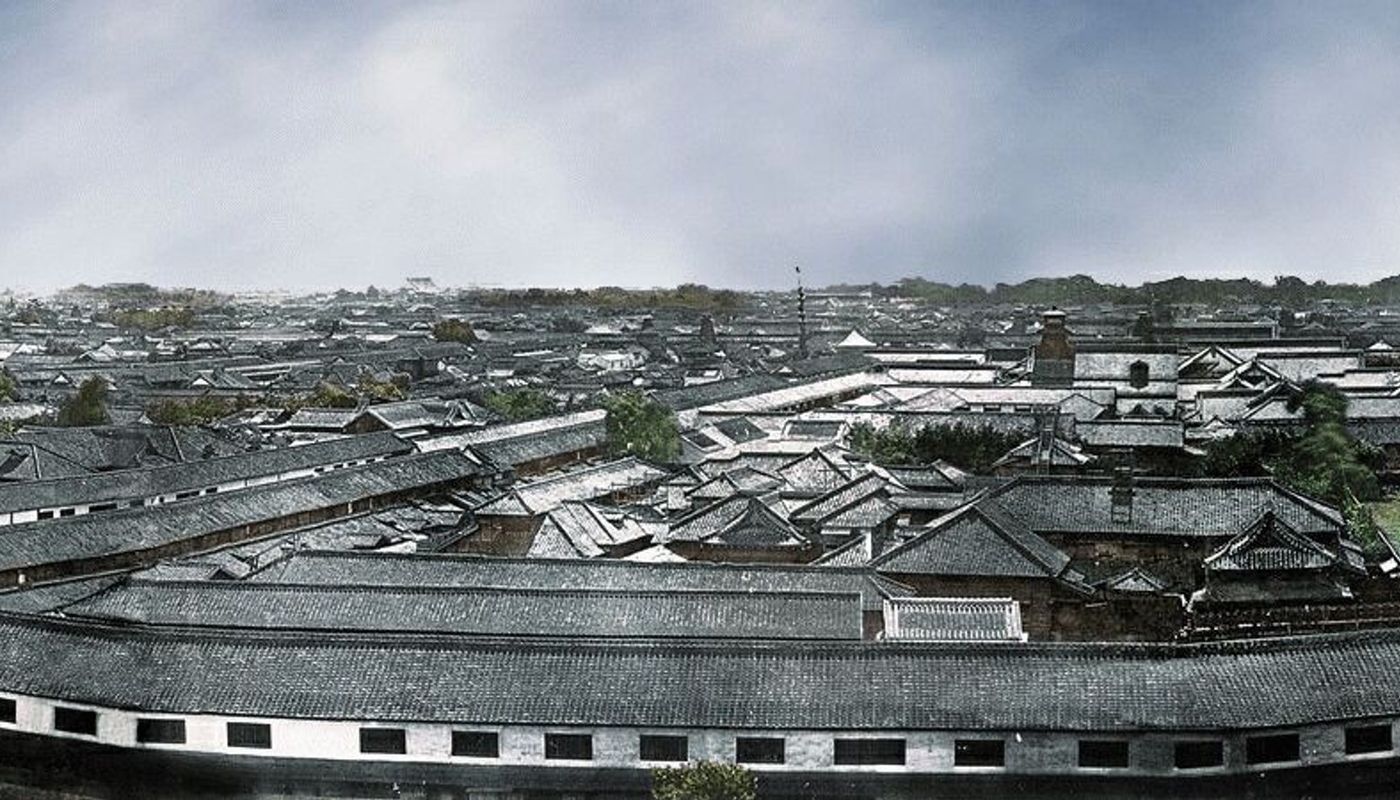
Hongkong Land is in discussions to enter the Japanese real estate market with over $1 billion in planned acquisitions of prime Tokyo mixed-use property complexes, according to reports from Bloomberg cited by The Standard. The target push aligns with parent company Jardine Matheson's strategic shift toward active investment management. To navigate Japan's competitive acquisition environment, Hongkong Land has been seeking local joint-venture partners and suitable assets.
Filings show that in October 2024, Hongkong Land unveiled a corporate strategy to focus on ultra-premium integrated commercial properties in Asia's gateway cities. That strategic plan established an explicit target to expand its investment property assets under management to US$100 billion by 2035, according to Jardine Matheson reports. The planned Tokyo deployments represent a direct execution of this capital allocation mandate.
Scale of Regional Allocation
The planned $1 billion allocation enters a Japanese market that experienced substantial expansion in institutional transaction activity. Data from CBRE shows full-year 2025 commercial real estate investment volume in Japan reached JPY 6.5 trillion. This total represents a 31% increase year-on-year, driven by international and domestic cross-border capital reallocation into resilient commercial assets.
To execute the strategy, Hongkong Land has held early-stage discussions with Blackstone and Japanese developer Hulic Co., according to reports in The Standard. The talks involve multi-billion-dollar central Tokyo complexes, including Tokyo Garden Terrace Kioicho and Otemachi Place. Precise enterprise values, debt-to-equity structures, and underlying price per square metre for these prospective joint-venture transactions have not been disclosed.
Yield Compression Mechanisms
Cross-border institutional capital has continually targeted prime Tokyo districts due to stable occupier fundamentals and positive debt spreads. However, asset valuations in prime submarkets face tight capitalization rates. According to CBRE's cap rate survey, expected net operating income yields for Tokyo prime office properties in Otemachi fell to a record low of 3.10% in Q2 2026.
These record-low yields reflect intense competition for core assets among domestic developers like Hulic Co., private equity buyers like Blackstone, and entering regional platforms like Hongkong Land. The compressed net operating income yields require incoming buyers to rely heavily on active management and local partner platforms to secure accretive asset-level returns.
Portfolio Consequences
For cross-border institutional investors, Hongkong Land's push illustrates how large regional landlords are attempting to hit assets under management targets by diversifying out of legacy markets into Tokyo's resilient commercial core. On our reading, entering through joint ventures with established operators like Hulic Co. or private equity vendors like Blackstone allows foreign platforms to bypass local entry barriers in tight acquisition markets.
However, the lack of disclosed pricing metrics means investors must evaluate these joint-venture structures carefully. Without explicit detail on whether transactions will be structured as share purchases or direct asset deals, the net asset value impact on Hongkong Land's balance sheet remains unconfirmed. The likely effect is a higher concentration of gateway mixed-use assets balanced against tighter asset yields.
The Monetary Counterweight
For this capital deployment thesis to generate expected returns, long-term borrowing costs must remain manageable relative to prime property yields. This assumption faces headwind from domestic monetary policy shifts. According to JLL, the Bank of Japan's monetary policy tightening drove 10-year Japanese Government Bond yields to an 18-year high of 1.97% in mid-December 2025.
This rise in risk-free rates compresses real estate yield spreads against the record-low 3.10% net operating income yields recorded in Otemachi. If Japanese Government Bond yields rise further, debt financing costs could eliminate positive carry, undercutting the valuation baseline for multi-billion-dollar mixed-use complexes unless occupier rental growth compensates for the spread compression.
What to Watch
Subsequent developments will clarify whether Hongkong Land converts these early-stage discussions into binding acquisitions. Readers should monitor whether formal transaction terms, asset-level valuations, or debt structures are finalized with Hulic Co. or Blackstone regarding Tokyo Garden Terrace Kioicho and Otemachi Place.
Market participants must also track subsequent quarterly cap rate data from CBRE and Japanese Government Bond yield movements from JLL following the 1.97% benchmark reached in mid-December 2025. These figures will confirm whether yield spreads stabilize sufficiently to support Hongkong Land's path toward its US$100 billion assets under management target by 2035.
- Mingtiandi. Roundup: Hongkong Land Eyes $1B in Tokyo Property Deals
- CBRE. Japan Investment MarketView Q4 2025
- CBRE. Japan Cap Rate Survey June 2026
- Jardine Matheson. Jardine Matheson Annual Report 2024 - Hongkong Land Strategic Review
- The Standard. Hongkong Land eyes entering Japan's property market with billion-dollar deals: Bloomberg
- JLL. Positive carry and rising rents drive Japan investment
Compiled by the Propstock research desk from the sources above.